History
At the end of the 19th century, submarines were developing rapidly, but the Royal Navy had been reluctant to embrace them. That position became increasingly difficult to maintain as other naval powers, particularly France, developed their own submarine forces.
The Admiralty turned to the designs of Irish-born engineer John Philip Holland, whose work had helped produce the United States Navy's first commissioned submarine. An agreement was reached with the Electric Boat Company for five Holland-designed submarines to be built under licence by Vickers at Barrow-in-Furness.
The project was highly secret. Even the officer who would become Holland 1's first commanding officer, Lieutenant Forster Delafield Arnold-Forster, struggled to find the submarine when he arrived at Barrow.
“Eventually I discovered her in a shed (labelled ‘yacht shed’ in large white letters) where she was being built in the utmost secrecy.”
Only selected workers were allowed inside. Components manufactured elsewhere in the yard were marked “For Pontoon No.1” to disguise their true purpose. When Arnold-Forster finally saw the submarine, it was her size that struck him:
“What surprised me most when I did find the boat was her small size. She was only 63 ft. long and was shaped like a very fat and stumpy cigar.”
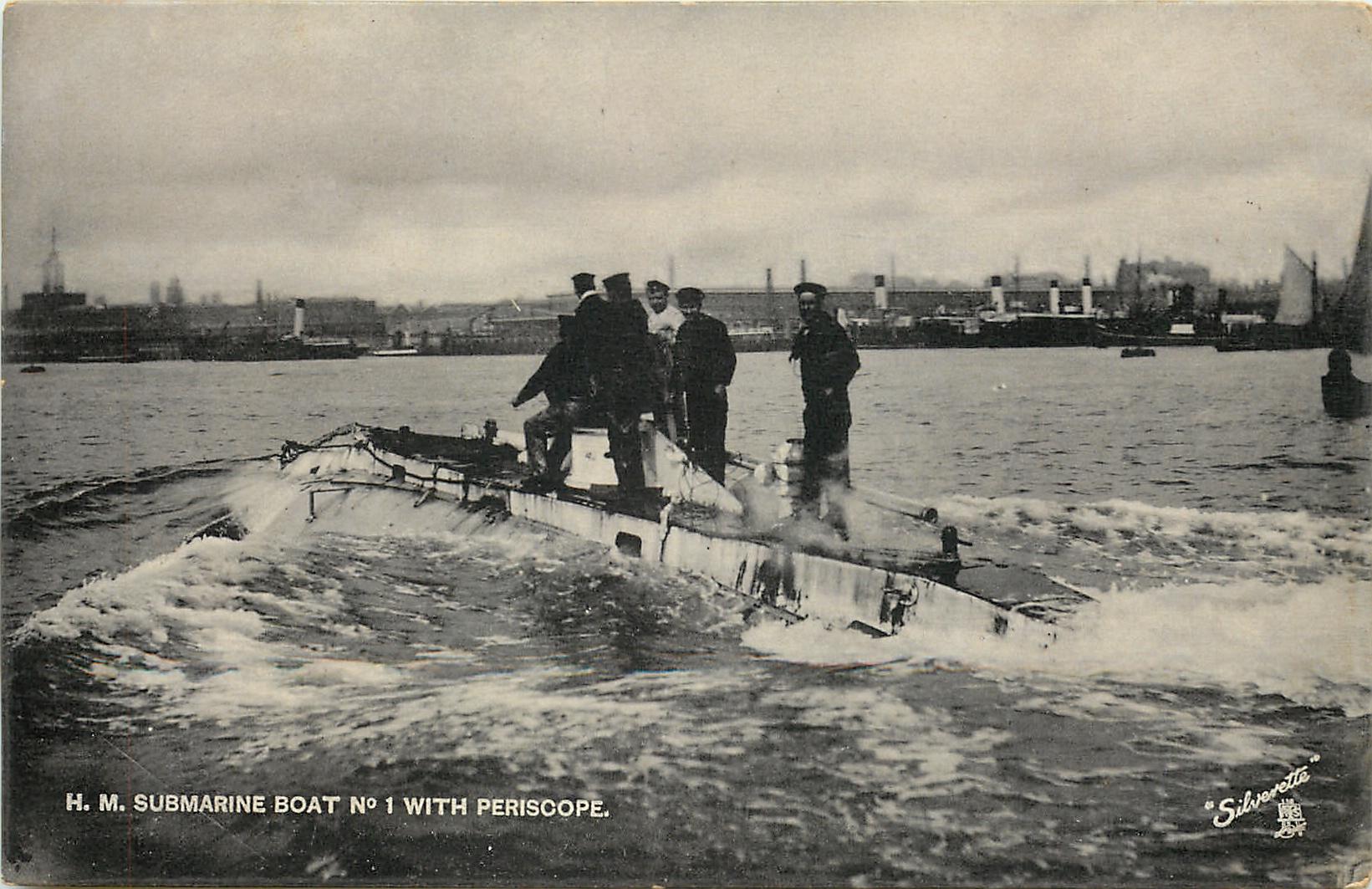
On 2 October 1901, Holland 1 was launched without ceremony. Her first dive took place in an enclosed basin on 20 March 1902, followed by sea trials from April as the Royal Navy began exploring what this radically different type of vessel could do. For Arnold-Forster and the men serving alongside him, that meant learning an entirely new way of operating a warship.
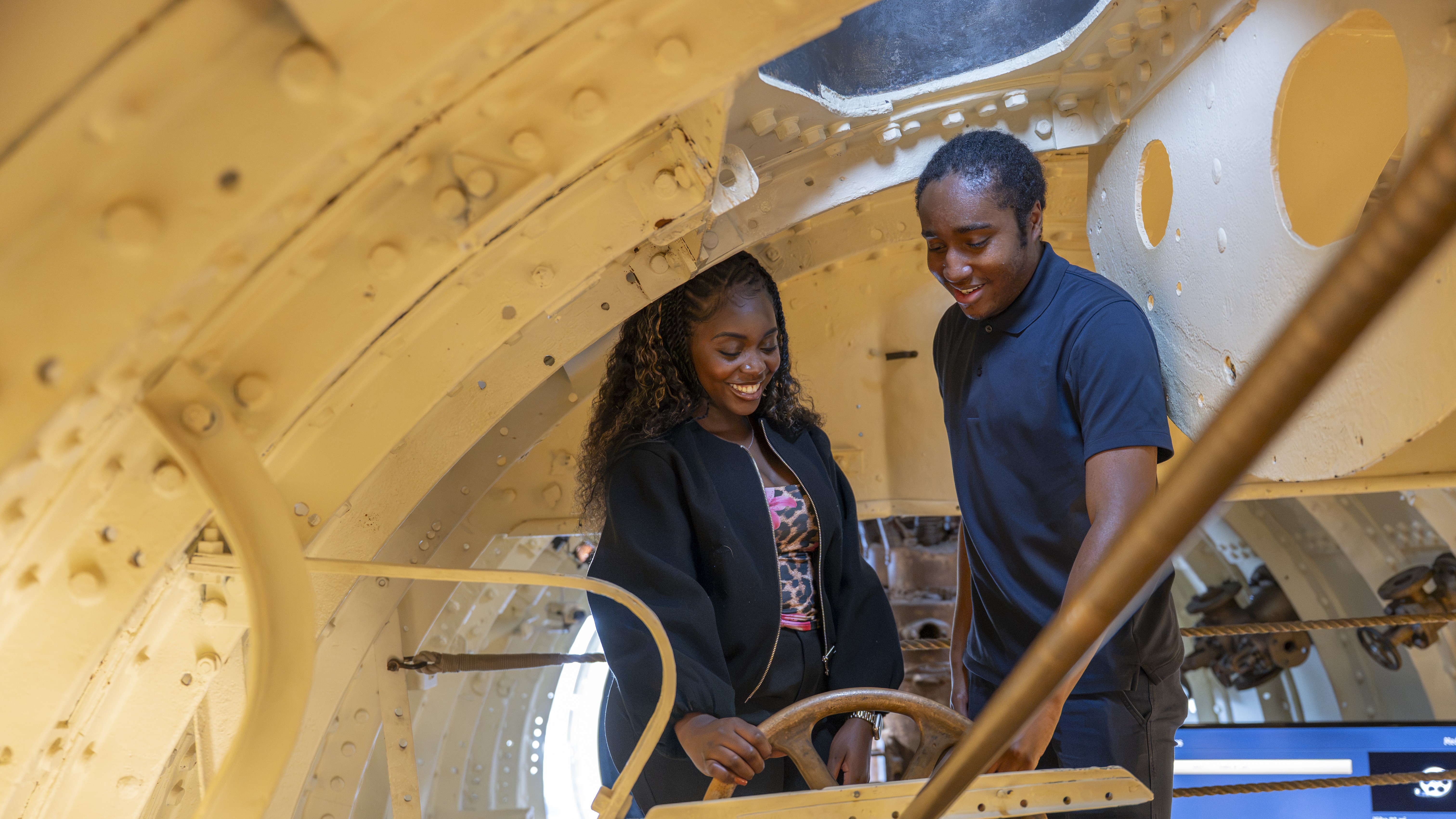
The controls alone presented a challenge. Arnold-Forster recalled that the tiny conning tower was covered in wheels, levers, valves and gauges, all of which had to be managed while the submarine was being steered and dived. And Holland 1 behaved very differently above and below the water.
“After a little practice the boat was found to be very handy under water but on the surface, she was a brute.”
Conditions could become particularly difficult in rough weather. Arnold-Forster remembered the submarine being “all awash”, with those below forced to remain there while the captain and coxswain above struggled to hold on as waves swept across the boat. Inside this tiny experimental submarine, a handful of men were discovering what it meant to serve beneath the waves.
By September 1902, Holland 1 and another completed Holland boat had arrived at Portsmouth, forming part of the Navy's first submarine flotilla. Learning how to operate beneath the waves came with real risks. On 3 March 1903, an explosion aboard Holland 1 injured four men. The following year, Holland 1 came remarkably close to being drawn into an international crisis.
In October 1904, Russian warships travelling to the Far East during the Russo-Japanese War opened fire on British fishing vessels in the North Sea after apparently mistaking them for Japanese torpedo boats. Two British fishermen were killed in what became known as the Dogger Bank Incident.
As tensions escalated, Holland 1 left Portsmouth with other British submarines on 24 October, with orders connected to a possible attack on the Russian fleet. Diplomacy intervened and the submarines were recalled before any engagement took place.
By then, attitudes towards submarines within the Royal Navy were already changing.
On 20 April 1904, Admiral Sir John Fisher reflected on the significance of the technology:
“I don’t think it is even faintly realised – the immense impending revolution which the submarines will effect as offensive weapons of war.”
Holland 1 herself was rapidly becoming obsolete, but the technology she had helped the Royal Navy explore was not.
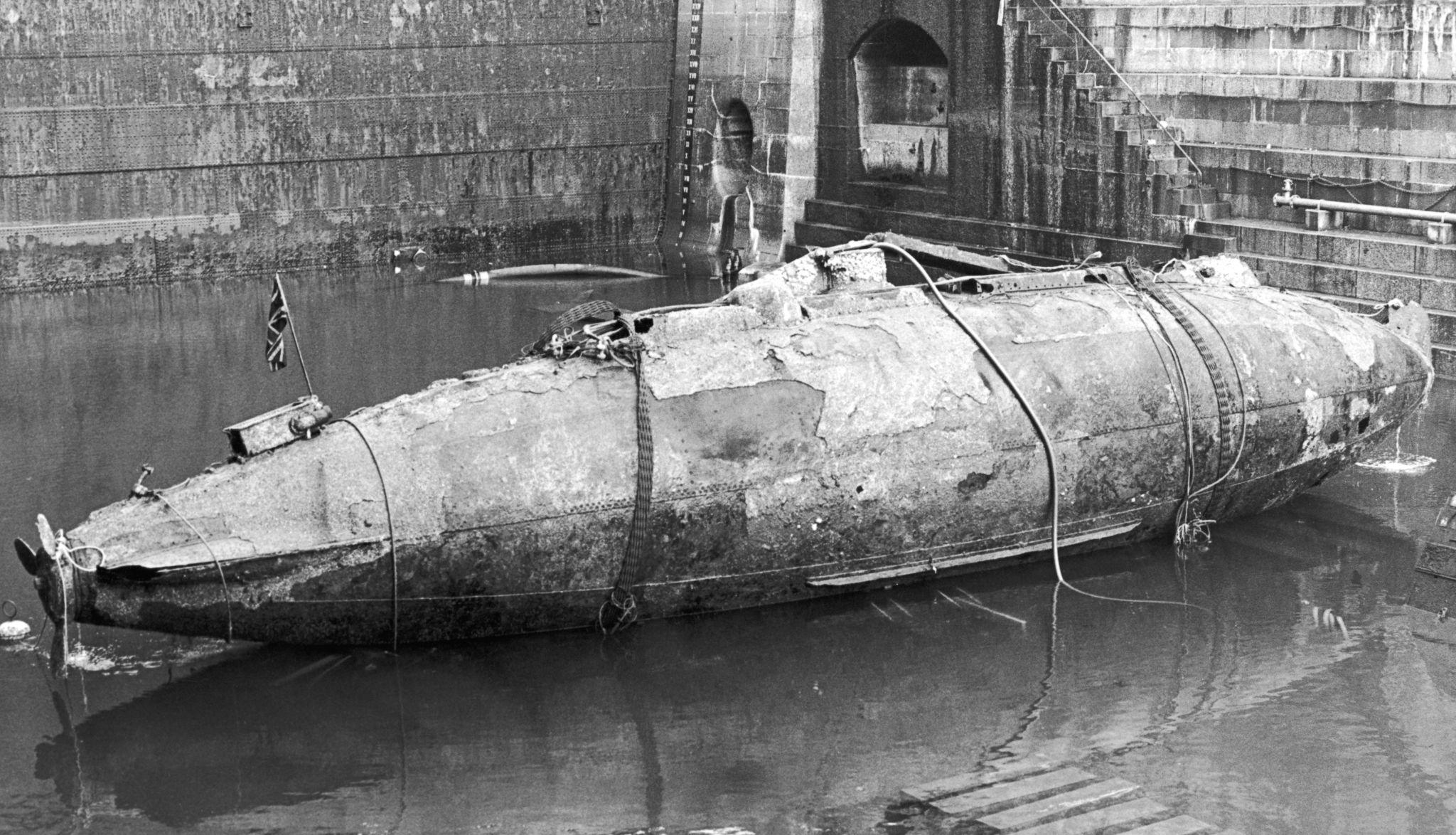
Within little more than a decade, she had been overtaken by newer generations of submarine. Holland 1 was decommissioned and sold for scrap in 1913. But her story was far from over. While being towed towards the breakers, Holland 1 encountered severe weather and sank near the Eddystone Lighthouse. Instead of being dismantled, the Royal Navy's pioneering first submarine remained largely intact on the seabed.